

The bustling street vending sector of Mumbai is stepping into the digital era. In a revolutionary move aimed at completely eliminating illegal vendors and roadside mafias, the Brihanmumbai Municipal Corporation (BMC) has begun implementing its innovative QR Code-based Smart Licence Scheme from June 10.
Behind this landmark reform, which promises to redefine Mumbai’s urban governance, is the unwavering struggle and vision of a young Malayali.
The persistent interventions and legal battles led by Shamnas Pokker, a native of Panoor in Kannur, who serves as the General Secretary of the Bombay Hawkers Association and is also an office-bearer of the Mumbai KMCC, ultimately persuaded the Corporation to adopt this historic decision. His tireless efforts over the years to address the hardships faced by Mumbai’s street vendors have finally borne fruit.

Smart Cards with a Digital Identity
The BMC is introducing these new smart identity cards to ensure that authorised street vendors can be easily identified and allowed to pursue their livelihoods safely and without unnecessary harassment.
These cards will effectively serve as a digital profile of each vendor, containing information such as:
- The vendor’s name,
- Photograph,
- The exact hawking zone allotted to them,
- GPS coordinates of their authorised vending location, and
- The validity period of their licence.
By scanning the QR code using a smartphone, officials as well as members of the public will be able to instantly verify whether a vendor is genuine and licensed or operating illegally.

The initiative is expected to provide greater confidence and security to consumers. Corporation officials also believe that shifting licence fee payments entirely to an online system will improve BMC’s revenue collection while significantly reducing opportunities for corruption.
During the first phase, these smart cards will be issued to nearly 99,000 licensed vendors approved by the Town Vending Committee. The scheme will subsequently be expanded to cover all vending zones across the city.
“The lives and livelihoods of thousands of ordinary street vendors in Mumbai had long remained uncertain. This new initiative by the Corporation will ensure them legal protection. As a Malayali, I am extremely happy to have been part of this struggle. I am deeply delighted that this verdict has finally come after years of relentless efforts.”
— Shamnas Pokker
Even the Courts Were Initially Reluctant
The QR Code initiative that is now leading Mumbai into the digital age first took shape in the mind of Shamnas, a young Malayali with a vision for systemic reform.
The Bombay Hawkers Association approached the courts demanding the implementation of such a digital system.
Initially, even the judiciary expressed reservations, questioning the technical feasibility of the proposal. However, Shamnas remained steadfast. Through continuous representations and persistent follow-up, the court eventually considered the petition and delivered a favourable verdict.
A transformative idea that many authorities had never envisioned became a reality because of the foresight and determination of one Malayali.

A Legacy of Struggle: Thirteen Years of Advocacy
This victory was not achieved overnight. It represents the culmination of a struggle carried forward over generations.
Since 2013, for nearly thirteen years, Shamnas has been a relentless voice on the streets of Mumbai, fighting for the rights and dignity of street vendors.
Perhaps even more remarkable is that this spirit of activism runs in his blood.
Shamnas is the son of Pokker, a social worker who dedicated himself to wiping away the tears of Mumbai’s roadside traders and standing by their cause. Following the path illuminated by his father, Shamnas carried the same passion and commitment forward—and that journey has now reached a historic milestone.
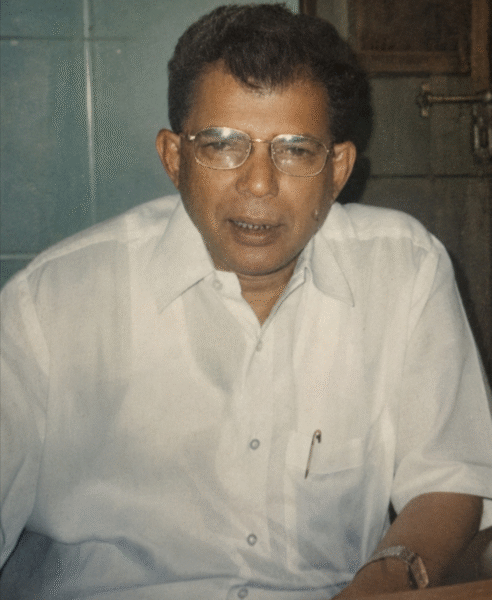
Seven Years of Legal Battle
After years of protests and grassroots mobilisation, Shamnas filed a case on behalf of the Bombay Hawkers Association in 2019, seeking legal protection and recognition for the rights of street vendors.
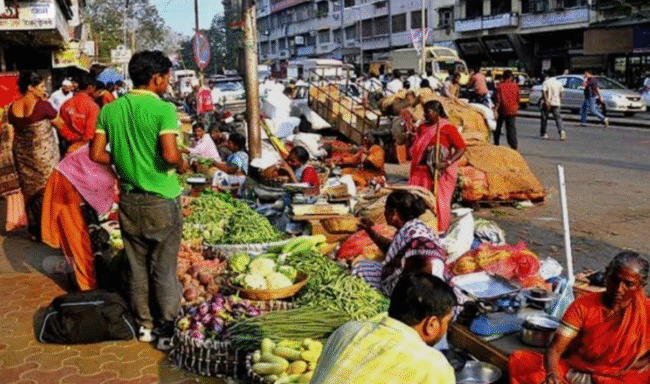
The struggle that followed was a gruelling seven-year legal battle. The favourable verdict eventually secured from the court became more than just a legal victory—it emerged as a historic achievement written through the dedication and sacrifice of both father and son on behalf of Mumbai’s ordinary vendors.

The movement led by this young Malayali to ensure that ordinary street vendors can live and work with dignity in India’s financial capital stands today as a powerful testament to the resilience, vision, and determination of the Malayali diaspora.
It is a story of perseverance that has now been etched in golden letters in the heart of Mumbai, proving once again that committed individuals can bring about transformative change in society.