
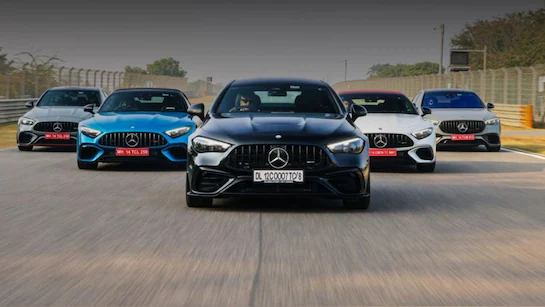
Under the India-EU Free Trade Agreement, import tariffs on cars and motorcycles from brands like BMW, Ducati, Mercedes-Benz, and Audi will drop from 110% to 10% for up to 2,50,000 vehicles.
After years of negotiations, India and the European Union have finalized a free trade agreement, drawing attention from car buyers and the auto industry alike. The reason is clear: Europe produces many of the vehicles Indian consumers desire, while India has long been one of the world’s toughest markets for imports due to high tariffs. The India–EU FTA seeks to simplify trade by cutting tariffs and easing regulations, gradually changing how European cars enter the country. The agreement is set to take effect in 2027. While it may not immediately reduce prices, it opens a long-closed market to new possibilities.
Significant Cut in Import Duties
Currently, importing a fully built car into India attracts duties of up to 110%. Under the new FTA, these tariffs will drop to 10% for up to 2,50,000 vehicles annually. The deal, finalized after nearly two decades of talks, provides a structured approach for European car imports while keeping volumes under control.
It’s important to note that the lower tariff applies only to vehicles manufactured within the EU. Models built outside Europe—even if sold under European brands—won’t benefit. For example, BMW’s M2 is made in Mexico, and the XM and X6 are manufactured in the USA, so these models remain outside the reduced duty framework.
Impact on Car Prices in India
Lower import duties are expected to reduce the landed cost of fully imported vehicles. Final prices will still depend on factors like brand strategy, currency fluctuations, and state-level taxes. While immediate price drops may be limited, the gap between imported and locally produced cars will narrow over time, offering buyers more options and better value in the premium segment.
Possible Shifts in Carmaker Strategies
The FTA may prompt European brands to reassess their India strategies. Reduced tariffs make it easier to introduce more models and adjust pricing for the market. Some manufacturers may continue local assembly to manage costs, but the agreement gives brands greater flexibility for future investments and launches.
Opportunities and Challenges for Local Manufacturing
Indian component makers could face increased competition, but they also stand to benefit. Expanded European assembly operations may boost demand for locally sourced parts, and suppliers that meet EU standards could gain export opportunities. Safeguard measures within the FTA allow the government to intervene if imports rise too quickly, ensuring that domestic manufacturing remains protected as the deal is implemented gradually.
