
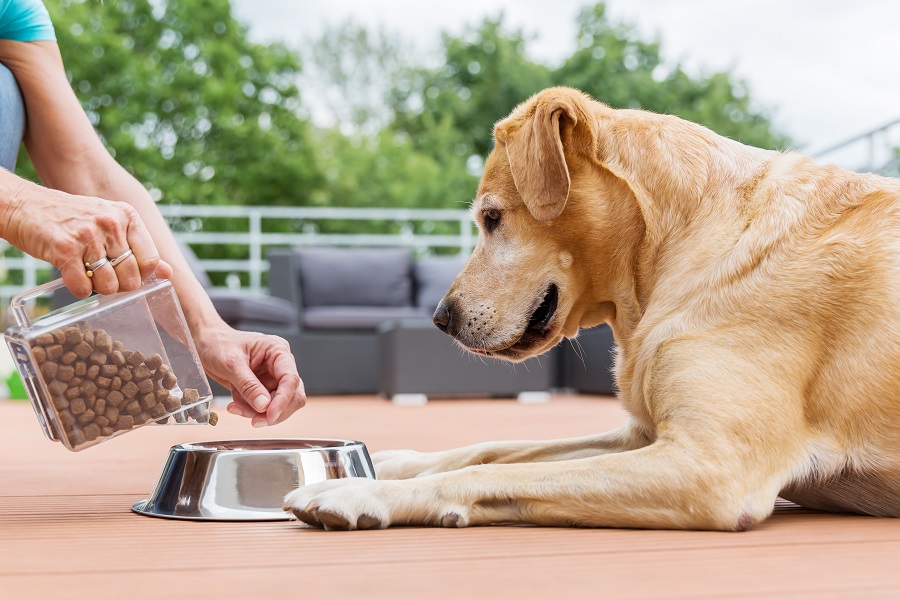
Our pets are part of our family. We love them, spend time with them, travel with them, and adjust our daily routines around their needs. From rushing home after work to waking up at night when they feel anxious, pets shape our lives in countless ways. Naturally, we want to give them the very best—especially when it comes to their food.
Providing high-quality nutrition helps dogs live longer, healthier lives. But what many pet owners don’t realize is that dog food choices affect more than just their pets—they also have a significant environmental cost. A 2026 study by researchers from the University of Exeter and the University of Edinburgh, published in the Journal of Cleaner Production, found that the environmental footprint of dog food is far greater than most people expect.
Environmental cost of dog food production
A single bag of dog food may seem insignificant, but its collective impact is substantial. In the UK alone, dog food ingredient production accounts for roughly 0.9–1.3% of the nation’s total greenhouse gas emissions. Globally, the picture is even more striking. If dogs worldwide were fed a typical UK-style diet, emissions from ingredient production would equal between 59% and 99% of those generated by the entire commercial aviation sector. Additionally, a 2020 study revealed that the global dog and cat food industry uses around 49 million hectares of agricultural land each year—an area twice the size of the UK.
Red meat vs. plant-based diets
Protein sources are the primary driver of dog food’s environmental impact. A 2025 study from the University of Nottingham highlighted the sharp contrast between meat-based and plant-based diets. Over an average nine-year lifespan, a 20kg dog eating a beef-based diet requires land equivalent to 57 football fields. In comparison, a plant-based diet needs just 1.4 fields. The emissions gap is equally dramatic: beef-based diets generate 11 times more CO₂-equivalent emissions and cause 16 times more water pollution than plant-based alternatives. Poultry-based foods fall somewhere in between—less damaging than red meat, but still more impactful than plant-based options.
Wet, dry, and grain-free food
Ingredients aren’t the only factor. Packaging and processing also play a major role. Wet and raw foods generally have a higher environmental footprint due to heavier packaging, refrigeration needs, and increased transport emissions. Grain-free diets often worsen the problem, as grains are usually replaced with higher levels of animal protein or environmentally costly legumes. Despite being marketed as “natural,” grain-free foods offer no proven health benefits for most dogs while significantly increasing environmental impact.
Dry kibble is typically the most sustainable option. Wet food contains far more water and fewer carbohydrates, meaning dogs must eat larger quantities to meet their energy needs. As a result, wet food requires more processing energy, heavier packaging such as steel cans or aluminum trays, and more fuel for transport—leading to higher greenhouse gas emissions overall.
Prime cuts vs. by-products
The 2026 study also found that dog food made from prime cuts of meat has a higher environmental cost than food using by-products. Prime cuts compete directly with human food supplies and increase resource demand. By contrast, animal by-products like offal make better use of the whole carcass and reduce waste, making them a more sustainable choice.
Reducing your dog’s environmental pawprint
According to researcher John Harvey, the most environmentally damaging dog foods can produce up to 65 times more emissions than the lowest-impact options. By comparison, the difference between human vegan and high-meat diets is only about 2.5 times.
Reducing your dog’s environmental impact doesn’t require extreme changes. Some of the most effective steps include:
- Choosing dry kibble over wet or raw food
- Opting for meat-based foods that use nutritious by-products instead of prime cuts
- Avoiding red meat and switching to poultry or plant-based alternatives
Small changes in dog food choices can make a meaningful difference—for both the planet and future generations.
