
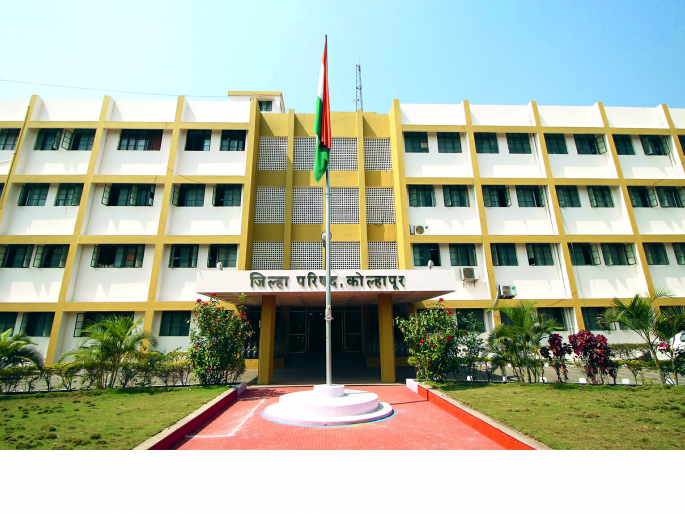
In a major education and public health initiative, the Zilla Parishad (ZP) of Kolhapur has started a comprehensive upgrade of school sanitation facilities across 100 government schools in the district. The programme aims to replace old, unhygienic toilets with modern integrated health complexes that meet high cleanliness and functional standards to benefit students’ health and comfort.
Officials noted that the existing toilet infrastructure in many schools was in poor condition, with broken fixtures, leaks, foul odours, and unhygienic interiors posing health risks to children. In response, the new complexes will feature western‑style toilets, proper ventilation, handwashing stations, sensor‑based faucets, and air fresheners.
A key focus of the project is improved menstrual hygiene management; girls’ restrooms will also include sanitary pad vending machines and proper disposal systems, aligning with broader efforts to support adolescent girls’ education and dignity.
Kolhapur ZP CEO S. Karthikeyan highlighted that good infrastructure and sanitation are essential for ensuring students’ wellbeing and attendance, particularly in schools with high enrollment figures. The initiative reflects a growing recognition that basic facilities directly impact learning environments.
Education Officer Meena Shendkar said the effort will initially cover a hundred schools, with maintenance responsibilities shared between school committees and local gram panchayats to ensure long‑term usability.
Parents and teachers welcomed the move, noting that clean and functional toilets can reduce absenteeism — especially among girls — and foster a more positive school experience overall.
This upgrade is part of wider efforts in India to improve school infrastructure and hygiene standards, which are increasingly seen as vital for boosting enrollment, health outcomes, and educational quality across rural and semi‑urban areas.
Education advocates also stressed the importance of similar facilities nationwide, particularly in states where sanitation issues have hindered progress toward universal education goals under the National Education Policy framework.
