
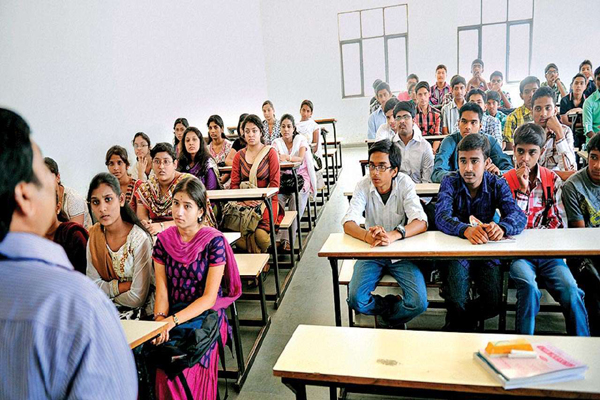
A government-run free coaching programme aimed at supporting students preparing for competitive examinations has come under scrutiny after it emerged that candidates from the general category are not eligible for its benefits. The exclusion has sparked a wider debate on fairness, inclusivity, and the objectives of publicly funded welfare schemes.
The initiative, designed to help underprivileged students access quality coaching for exams such as civil services and other professional tests, primarily targets candidates belonging to reserved categories and economically weaker backgrounds identified under specific criteria. However, the absence of provisions for general category students from low- and middle-income families has drawn criticism from several quarters.
Students and parents argue that financial hardship is not limited to any single social category and that many deserving candidates from the general category also struggle to afford expensive private coaching. They contend that government support should be based more on economic need rather than category alone.
On the other hand, supporters of the scheme maintain that it is intended to address historical disadvantages faced by certain communities and to level the playing field in highly competitive examinations. According to officials, limited resources make targeted intervention necessary, and existing policies are aligned with broader social justice goals.
Education experts have suggested that the controversy highlights a deeper need to reassess how merit, economic status, and social equity are balanced in public education policies. Some have proposed expanding the scheme or introducing parallel support mechanisms based purely on income criteria.
As the debate continues on social media and in academic circles, the government has yet to indicate whether it plans to revise the eligibility norms. For now, the issue has reignited discussions on inclusiveness and equal opportunity within India’s education system.
