
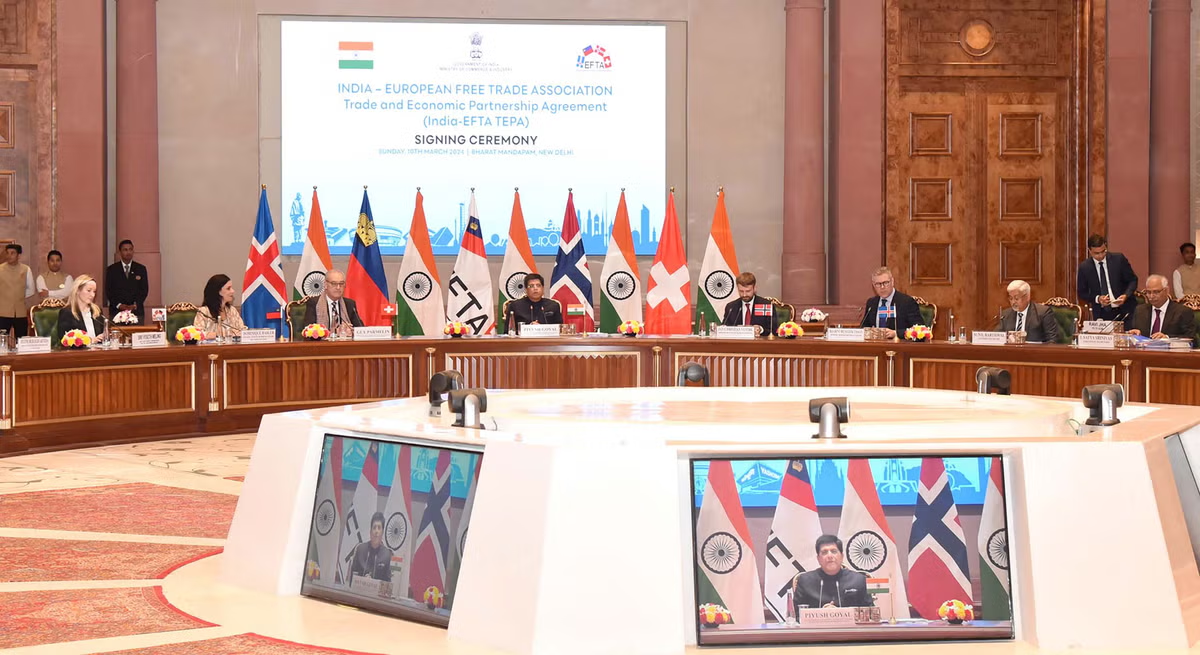
India is on the verge of finalising a major trade pact with the European Union (EU), in what could become one of the country’s most significant international commerce agreements in recent history. Negotiations between the two sides have reached the final stages, and officials say the deal could be signed before the end of January 2026.
According to the Commerce Secretary, talks have been underway for several months, with diplomats and trade negotiators working through complex issues such as market access, tariff reductions, and regulatory alignment. Once concluded, this agreement is expected to open up broader avenues for Indian exports in goods and services across key sectors.
The EU, which remains one of India’s largest trading partners, has been pushing for a balanced approach that benefits both sides, especially in areas like pharmaceuticals, automobiles, agriculture, and textiles. Meanwhile, India is seeking better conditions for its digital services, IT exports, and skilled labour mobility.
Industry experts believe that a successful India‑EU trade deal could significantly boost bilateral commerce, make Indian products more competitive in European markets, and reduce dependency on traditional trade routes. It may also encourage greater foreign investments into India’s manufacturing and services sectors.
For Indian businesses, especially exporters and SMEs, this pact could mean reduced tariffs, streamlined standards, and improved access to new consumer bases — factors that are likely to spur economic activity and jobs.
Government officials say final discussions are being fast‑tracked to align with the upcoming India‑EU Summit later this month, positioning the accord as a major milestone in India’s global trade diplomacy.
Overall, the deal is being viewed as a strategic win for India’s growth narrative, helping solidify its role in international trade while attracting fresh investment and strengthening long‑term economic partnerships.
